Surf Apparel: Lookin` Stoked on Shore

Let’s be real. Surfing isn’t just what happens between the shore and the lineup. It’s the whole vibe, the entire pilgrimage from your front door to the sand and back again. And a huge part of that stoke is how you look and feel when you’re not actually on your stick. That’s where surf apparel comes in—it’s the uniform for the endless summer, the threads that tell the story of sun, salt, and soul.

Forget high-fashion runways; the real style show is in the parking lot at dawn. Surf apparel has always been about function first, born from pure necessity. Early guys were out there in wool sweaters and whatever pants they had—brutal. The game changed when boardshorts evolved from those heavy, soggy trunks to the lightweight, quick-drying, kick-flap wonders we have today. They’re not just for surfing; they’re for living. You can paddle out, rip a few, then roll straight to the taco stand without missing a beat. That’s the essence: gear that transitions seamlessly from the wave to the world.

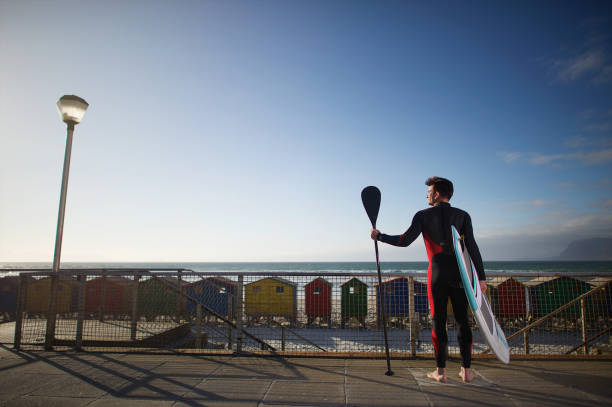
Then you’ve got the wetsuit. This isn’t just clothing; it’s a key to colder sessions, a second skin that lets you chase swells across all latitudes. From the steamer for those chilly dawn patrols to the spring suit for shoulder season, it’s a testament to our refusal to let a little cold water keep us from getting barreled. And when you peel it off after a session, that’s when the layers matter. A good hoodie, a solid pair of boardshorts or comfy joggers, a sun-bleached tee from your favorite local shaper—this is the post-surf uniform. It’s about being warm, comfortable, and still radiating that saltwater glow.

The brands that get it, the ones that are rooted in the culture, they understand it’s not just about slapping a logo on a shirt. It’s about the art, the attitude, the connection to the coastal zones we call home. A graphic tee might feature a classic longboard silhouette or a gnarly reef break; a hoodie might have the coordinates of a secret spot sewn subtly inside. This stuff means something. It’s a nod to other frothers in the know, a way to carry a piece of the ocean with you when you’re stuck inland.

And let’s talk about the daily grind. The true surf lifestyle is about being ready. That means your apparel works for you. Durable flip-flops or sandals that can handle hot asphalt and sandy feet. A solid, wide-brimmed hat to shield from the sun during those midday sessions. A lightweight, waterproof jacket that stuffs into its own pocket for when the afternoon squall rolls through. It’s all part of the kit for someone chasing the sun.

Ultimately, looking stoked on shore is a reflection of feeling stoked in the water. It’s practical, it’s comfortable, and it’s infused with the spirit of the chase. It’s the uniform of the everyday surfer, designed for the journey from your van to the vortex and back again. So whether you’re rocking a salty beard, a peeling sunburn, and a well-loved tee, or you’re bundled up in a hoodie watching the sunset, your threads tell the story. They say you’re part of the tribe, you understand the grind, and you live for the feeling of salt on your skin and the next perfect wave. That’s the real style. Now go check the cams.
Related Posts

Live Surf Cams

Surfline Live is a 24/7 glimpse into the world’s surf.

This stream moves through Surfline's global camera network, showing spots where it’s daylight and rated Fair or better.

What's The Deal With...?

Surf Gear Essentials

How do I choose the right thickness for my local break?

Check the water temp! Thickness is measured in millimeters (like 3/2 or 4/3). Colder water needs more rubber—a 4/3 is a classic all-rounder for many climates. For frigid dawn patrols, you might need a 5/4/3 hooded suit. Warmer spots can get away with a spring suit or a 2mm top. Always match the suit to the coldest session you’ll surf, because once you’re cold, the session is basically over.

What exactly is a traction pad on a surfboard?

It’s that grippy, foam sticker you see on the tail of most shortboards and many performance boards. Think of it as a skateboard grip tape for your back foot. Made from EVA foam (like your deck grip) with even grippier raised patterns, it gives your rear foot insane hold. This lets you push, pivot, and crank turns without slipping, especially in critical sections or when your board is wet and slippery. Essential for modern high-performance surfing.

What makes a good surf hat different from a regular baseball cap?

A proper surf hat is built for the ocean, bro. It’s usually made from quick-dry, stretchy materials and often has a chin strap or leash so a wipeout doesn’t send it to Davy Jones’ locker. The brim is designed to stay put in the wind and not block your view when you’re paddling. Sun protection is key, so look for UPF ratings. Regular caps get soggy, heavy, and fly off—a surf hat is functional gear designed to handle the elements.

Surf Culture & Community

What does it mean to surf for a cause?

It’s about using the stoke of surfing to give back. Instead of just chasing barrels for yourself, you align your sessions with a bigger purpose. This could mean joining a cleanup, paddling in a fundraiser for ocean conservation, or supporting charities that use surf therapy. It’s the ultimate soulful shift—your passion directly helps protect the playground or improves lives. You get your glide on and make a positive impact, which feels even better than snagging that perfect wave.

What is surf therapy and how does it help?

Surf therapy is about healing through saltwater and stoke. Organizations use surfing as a tool to help veterans, at-risk youth, or people with disabilities. The ocean’s rhythm, the focus needed to pop up, and the pure joy of riding a wave build confidence, peace, and resilience. It’s not about shredding; it’s about the therapeutic power of connection—to the sea, to a board, and to a supportive community. The results are often life-changing.

What makes each surf spot’s culture so different?

It’s all about the recipe, dude. The wave itself—point break, beachie, or reef—sets the foundation. Then you add the locals, the town’s history, the water temp, and even the access. A chilly NorCal point breeds a different vibe than a busy SoCal beach break or a remote Indo lineup. It’s the mix of terrain, community, and pure stoke that creates a spot’s unique soul. Respect that, and you’ll always score better waves and better times.